Showing posts with label drug policy. Show all posts

Thursday, February 20, 2020

World Cancer Day 2020 @Nada India

Riya Nada India Youth Catalyst attended "Survivor's Day" organised by Indian Cancer Society on 6th February,2020 at Select Citywalk Mall. The event had a burst of colour and laughter celebrating the victory of people against cancer. There were dance and musical performances by survivors young and old as well as some professional groups who had all come together to create a joyous afternoon in the wake of World Cancer Day. What stuck with me were the words of a doctor from Max Hospital who said, "We fall sick alone, but we can heal in a community. Let's forms a human chain to combat cancer."

World Cancer Day 2020: Cancer Prevention through Alcohol Policy
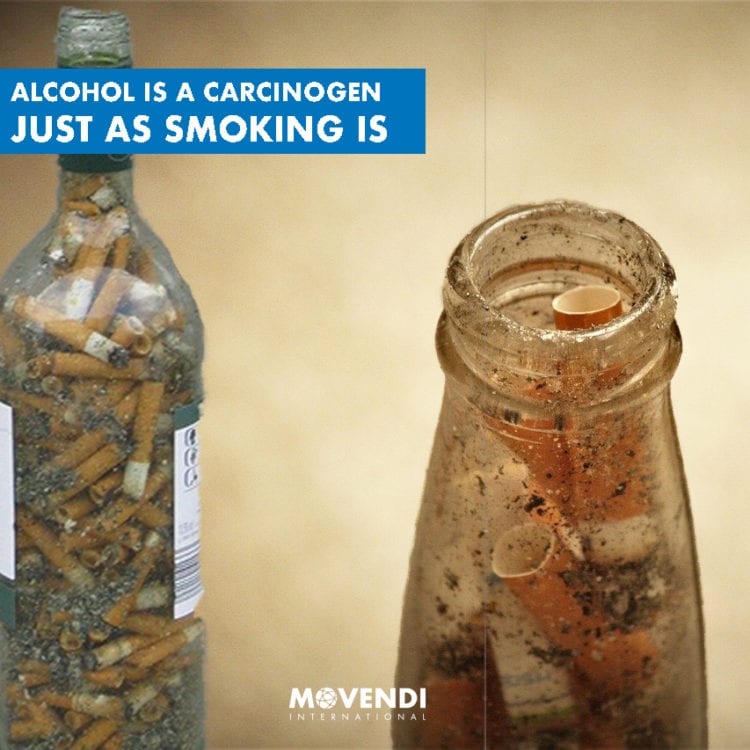
Alcohol-related cancer deaths are a global public health crisis.
For breast cancer globally, alcohol is the single biggest risk factor.
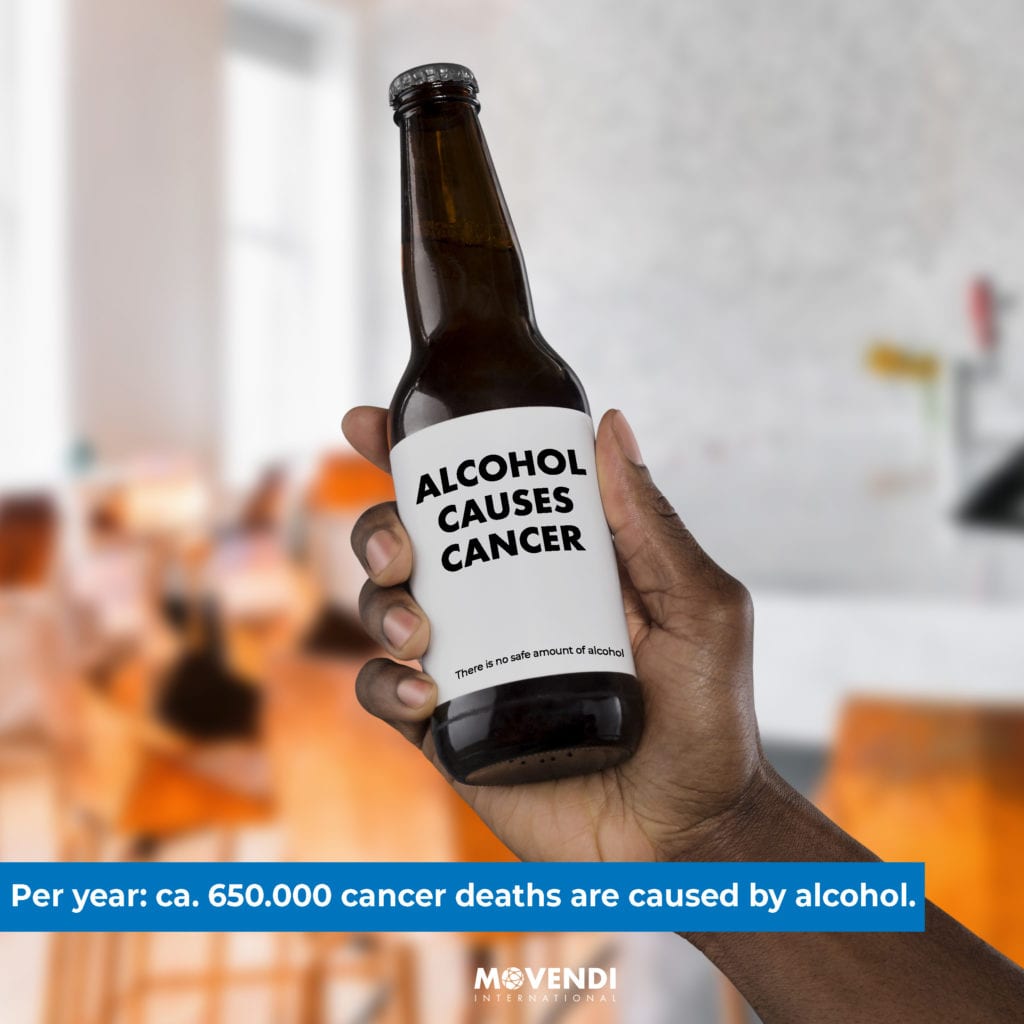
In total, alcohol-related cancer causes 650.00 deaths every year.

But awareness and understanding of the alcohol-cancer link remains shockingly low and a far cry from the levels of awareness of smoking and cancer.

This is not only a matter of public health concern but a social justice crisis.


It is time to change that and turn the tide on alcohol-fuelled cancer.Evidence shows that informing people, increasing awareness and understanding of alcohol's cancer risks leads to bigger support for alcohol prevention and control measures. This in turn leads to significant reductions in cancer mortality.
We calculated the cancer deaths averted from improved alcohol policy through a 10% and a 30% total per capita alcohol consumption reduction scenario. 
  • Assuming 649,840 alcohol-related cancer deaths in 2017, a 10% reduction of total alcohol use would lead to 9% fewer alcohol-related cancer deaths, meaning 57,300 fewer deaths.
  • With a 30% lower total alcohol consumption, calculations show that 26% of alcohol-related cancer deaths could be averted, meaning 171,460 fewer deaths. 
 let's start the movement to raise awareness among the broader public and empower decision-makers to tackle the alcohol-cancer link. The returns on investment will be substantial...

Thursday, January 17, 2019

Meaningful involvement of People living With NCDs #PLWNCDs


The Healthy India Alliance (HIA) plans to develop a National Advocacy Agenda of People Living with NCDs based on the inputs of those who took part in the five community conversations (Nada organized one such  Community Conversation among alcohol and drug using population )held in the India. Nada India Team (Ms.Nidhi,Devender Joti peer educator (PLWNCD) ,Pushpa caregiver and Suneel Vatsyayan ) participated and contributed in the Healthy India Alliance Regional Consultancy Meeting for the Northern Region in Delhi on 28th August 2018. Nada India is also part of HIA core group on patient engagement. 

 Nidhi shared her experience and feedback
There's an old conventional way of convening corporate meetings but when we work on fronts of issues related to public at large then engagement of participants in the meeting requires breaking those barriers for formal conversation , cut off the veil and talk about the real things in a realistic way.

Mr.Suneel Vatsyayan has done the same , he shaken the participants in the meeting and tried to bring their attention on the fact that as we have to focus on meaningful engagement of people living with NCDs and it's risk factors like alcohol and drugs to do the same we hv you first meaningfully engage ourself in terms of language , personal real life experiences and real life experiences of people we are talking about.
The body language was intimate and words chosen were close to human beings ,that made most people relate as to talk more openly. 
Kept sticking to and time and again asked others to focus on the topic and reality. 
Perhaps Suneel Vatsyayan Chairperson Nada India was the only one who was more experienced than others in community work.
Very purposefully conveyed his msg. Also shook people to take off mask and talk freely as one time or another we all have to face same difficulties for the purpose we are here for discussions.
 Pushpa both as Nada community worker shared her experience well.
Also as care giver she shared her true feelings. Her wounds are fresh and she needs time to heal. But her spirits are high and ver courageous lady she is.


Devender Joti one of the peer educator of Nada India shared his personal experience and professional experience well in dealing with PLWD and NCDs.

As he has worked in social sector that is unorganized work sector ,he has worked in a free environment with less obligations to adhere to certain way of work and that is good also as we are not in any race for perfection and one should not be.
Its good we as People Living with NCDs got opportunity to express ourselves freely and also hv choice for work. Nidhi Nada India Team.
MEANINGFULLY INVOLVING
PEOPLE LIVING WITH NCDs
What is being done and why it matters
https://ncdalliance.org/sites/default...

Friday, November 27, 2015

“A ban on alcohol needs public participation.....

Suneel Vatsyayan, chairman, Nada India Foundation, which works for the betterment of alcohol- and drug-addicted people, said: “A ban on alcohol needs public participation.....pg7-anchor
New Delhi : Bihar on Thursday joined the states that have banned liquor, with newly-elected Chief Minister Nitish Kumar prohibiting the sale and consumption of alcohol from April 1, 2016. But experts feel the decision should be “participatory” and not a “political agenda”.

Gujarat, Nagaland, Manipur (in some parts) and the Union Territory of Lakshadweep have banned liquor while Kerala has since August 2014 been implementing the ban in a phased manner.

In Bihar, Nitish, who had promised to ban liquor before the state Assembly elections, made the announcement at an official function to mark Prohibition Day in the state capital.

He said the poorest of the poor had been consuming liquor, badly hitting their families and their children’s education. “Women are suffering more than anyone else due to increasing liquor consumption,” he said.

The ban on liquor in different states of the country has not produced the desired results as the decision was not “participatory” in nature and “forced” people to get involved in illegal production and consumption of liquor, experts believe.

Suneel Vatsyayan, chairman, Nada India Foundation, which works for the betterment of alcohol- and drug-addicted people, said: “A ban on alcohol needs public participation. It must not just be a one-man decision or a political agenda.” As soon as the ban is imposed on alcohol, the state should be ready with a plan to deal with thousands of consumers who must have got into the habit of consuming liquor on day-to-day basis, and might need medical attention to do away with it, he said.
http://www.freepressjournal.in/bihar-liquor-ban-should-be-participatory-experts/

Wednesday, May 8, 2013

Every Child has a Right to a drug/alcohol free school….


The term ‘addiction’ brings to our minds images of hardcore drug addicts we often see near bus stands, under flyovers and at railway stations. We seldom associate this term with young school going children .Addictions were not only talked physical substances one consumes such as tobacco ,Correction fluid, alcohol or drugs, but may include habits like cell phones, video games, internet, relationships etc. Time to time ,same concerns have been shared by teachers and counselor on this aspects of the addiction or so to say habits. When a person is addicted to something he cannot control himself and becomes dependent on it to cope with daily life.

Contrary to popular belief, drug use is not a subject of hospitals and De-addiction centers only. Schools have to play a very proactive role in substance abuse prevention.Institute of counsellor training Research and Consultancy (ICTRC) organized National Convention of School Counsellors on ‘Addiction in School Children – New Age Challenges’ New Delhi last year. I was invited to speak on the subject of drug addiction among school population and role of counselor. The objective of this convention was to equip school counsellors/ teacher-counselors to deal with the complex problem of addiction effectively. Apart from general inputs on drug abuse among school going children, the following points were focused while preparing schools for substance abuse prevention.

  • At some schools it may not be possible to have two separate staff members to provide counseling and discipline. Where possible, however, those roles should be separated in order to increase the effectiveness of intervention in both areas

  • Teachers should consider their level of skill and knowledge before intervening, remembering that limitations also relate to issues such as available time, confidentiality and student acceptance. Teachers should be prepared, if necessary, to refer to or seek the advice of a drug counselor/NGO like Nada India Foundation.
Pehchaan Helpline for young people 09268441080

"Children on drugs turn to counsellors for help.. Helpline number 1800116888"

In what is coming across as a disturbing trend, school students between 10 and 16 years of age are turning to counsellors to fight drug addiction. The helpline Yuva, jointly run by the Delhi government’s education department and the State Council of Education Research and Training  (SCERT), receives five calls related to substance abuse on an average per day.


There is a strong need to adopt the following steps towards making each school "A drug free school"
  • Drug policy at school level
  • Counselor as prime mover for drug prevention 
  • Zero tolerance for substance use in the school by staff & students
  • Inclusive demand reduction policy  ............. We must realize that every Child has a right to a drug/alcohol  free school & family…

When Children Don’t Ask for Help: Reflections from a Dainik Jagran article

  First Aid for the Emotional Heart : Suneel Vatsyayan Emotional CPR Trainer | National Executive Member, NAPSWI “Children often cannot ask...