Showing posts with label NCD Alliance. Show all posts

Thursday, February 20, 2020

World Cancer Day 2020 @Nada India

Riya Nada India Youth Catalyst attended "Survivor's Day" organised by Indian Cancer Society on 6th February,2020 at Select Citywalk Mall. The event had a burst of colour and laughter celebrating the victory of people against cancer. There were dance and musical performances by survivors young and old as well as some professional groups who had all come together to create a joyous afternoon in the wake of World Cancer Day. What stuck with me were the words of a doctor from Max Hospital who said, "We fall sick alone, but we can heal in a community. Let's forms a human chain to combat cancer."

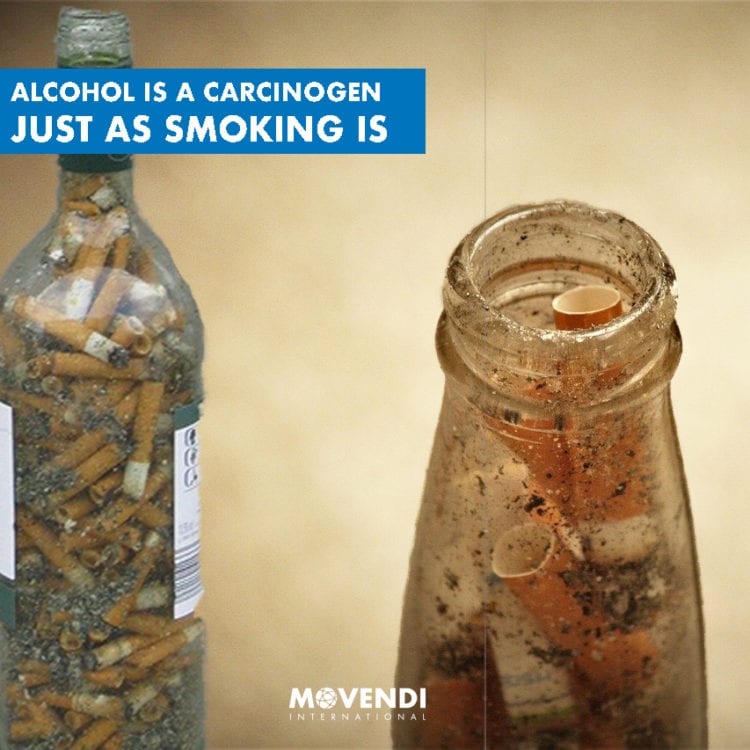
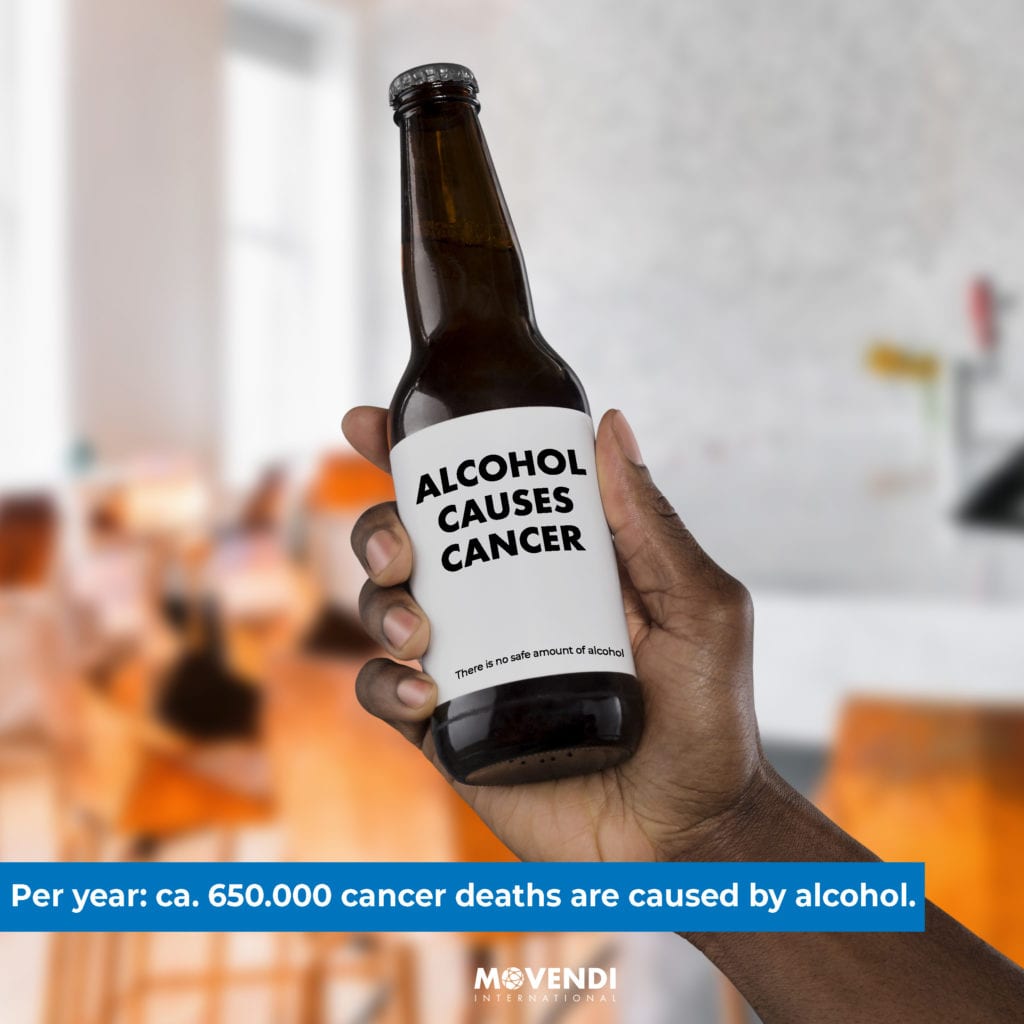
World Cancer Day 2020: Cancer Prevention through Alcohol Policy
Alcohol-related cancer deaths are a global public health crisis.
For breast cancer globally, alcohol is the single biggest risk factor.
In total, alcohol-related cancer causes 650.00 deaths every year.

But awareness and understanding of the alcohol-cancer link remains shockingly low and a far cry from the levels of awareness of smoking and cancer.

This is not only a matter of public health concern but a social justice crisis.


It is time to change that and turn the tide on alcohol-fuelled cancer.Evidence shows that informing people, increasing awareness and understanding of alcohol's cancer risks leads to bigger support for alcohol prevention and control measures. This in turn leads to significant reductions in cancer mortality.
We calculated the cancer deaths averted from improved alcohol policy through a 10% and a 30% total per capita alcohol consumption reduction scenario. 
  • Assuming 649,840 alcohol-related cancer deaths in 2017, a 10% reduction of total alcohol use would lead to 9% fewer alcohol-related cancer deaths, meaning 57,300 fewer deaths.
  • With a 30% lower total alcohol consumption, calculations show that 26% of alcohol-related cancer deaths could be averted, meaning 171,460 fewer deaths. 
 let's start the movement to raise awareness among the broader public and empower decision-makers to tackle the alcohol-cancer link. The returns on investment will be substantial...

Thursday, January 17, 2019

Meaningful involvement of People living With NCDs #PLWNCDs


The Healthy India Alliance (HIA) plans to develop a National Advocacy Agenda of People Living with NCDs based on the inputs of those who took part in the five community conversations (Nada organized one such  Community Conversation among alcohol and drug using population )held in the India. Nada India Team (Ms.Nidhi,Devender Joti peer educator (PLWNCD) ,Pushpa caregiver and Suneel Vatsyayan ) participated and contributed in the Healthy India Alliance Regional Consultancy Meeting for the Northern Region in Delhi on 28th August 2018. Nada India is also part of HIA core group on patient engagement. 

 Nidhi shared her experience and feedback
There's an old conventional way of convening corporate meetings but when we work on fronts of issues related to public at large then engagement of participants in the meeting requires breaking those barriers for formal conversation , cut off the veil and talk about the real things in a realistic way.

Mr.Suneel Vatsyayan has done the same , he shaken the participants in the meeting and tried to bring their attention on the fact that as we have to focus on meaningful engagement of people living with NCDs and it's risk factors like alcohol and drugs to do the same we hv you first meaningfully engage ourself in terms of language , personal real life experiences and real life experiences of people we are talking about.
The body language was intimate and words chosen were close to human beings ,that made most people relate as to talk more openly. 
Kept sticking to and time and again asked others to focus on the topic and reality. 
Perhaps Suneel Vatsyayan Chairperson Nada India was the only one who was more experienced than others in community work.
Very purposefully conveyed his msg. Also shook people to take off mask and talk freely as one time or another we all have to face same difficulties for the purpose we are here for discussions.
 Pushpa both as Nada community worker shared her experience well.
Also as care giver she shared her true feelings. Her wounds are fresh and she needs time to heal. But her spirits are high and ver courageous lady she is.


Devender Joti one of the peer educator of Nada India shared his personal experience and professional experience well in dealing with PLWD and NCDs.

As he has worked in social sector that is unorganized work sector ,he has worked in a free environment with less obligations to adhere to certain way of work and that is good also as we are not in any race for perfection and one should not be.
Its good we as People Living with NCDs got opportunity to express ourselves freely and also hv choice for work. Nidhi Nada India Team.
MEANINGFULLY INVOLVING
PEOPLE LIVING WITH NCDs
What is being done and why it matters
https://ncdalliance.org/sites/default...

Tuesday, October 23, 2018

DIABETES CHANGED MY LIFE... Nada India Health Advocate

Nitish Rai was 
awarded for his voluntary  contribution in 2017

HOW BEING DIAGNOSED WITH DIABETES CHANGED MY LIFE


Nitish Rai is a Nada India Good Health 
Advocate. 


Hi Friends,
I am Nitish Rai I was diagnosed with Type 1 diabetes 20 years ago, when I was 4 years old.  Type 1 diabetes is an invisible disease. To look at me you wouldn’t know there was anything wrong. But living with the condition is a 24/7 thing. It has completely changed my life and, in different ways, affects every aspect of what I do. 

Eating and exercise can be tricky
Every time I eat, I need to think about how it is going to affect my sugar levels. As I have Type 1 diabetes, my pancreas cannot produce insulin and I need to inject myself with the hormone, usually five times daily, and attempt to replicate the work of the organ. 
Carbohydrates increase my blood sugar level, so every snack and meal is a maths challenge, requiring me to calculate how much insulin I need to inject to counteract the spike in my blood sugars. 


I love running and going to the gym,playing cricket, but this also affects my diabetes as too much exercise can make my blood sugar levels go dangerously low, while certain types can cause them to spike too high. 
I constantly need to check my sugars and adjust my insulin intake – no two days are the same! Exercise is good for me but it's certainly not a simple and straightforward endeavour. 
I have to constantly tell people that I didn’t get diabetes from eating sugar
Diabetes has a bad reputation and it is often the subject of jokes.
 I have found that most people don’t understand the difference between Type 1 and Type 2 diabetes. I have Type 1 diabetes, which accounts for about 10 per cent of cases. No one knows exactly what causes it, but it’s not to do with being overweight and it isn’t currently preventable.  

People with Type 2 diabetes don’t produce enough insulin or the insulin they produce doesn’t work properly (known as insulin resistance) -  90 per cent of people with the condition have this form. They have developed the condition because of their family history, age, weight or ethnic background which puts them at increased risk. It starts gradually, usually later in life, and it can be years before they realize they have it. 

Living with diabetes day to day often causes a lot of feelings of guilt because when my blood sugar levels don’t do what they should do, it often leaves me feeling that it is my fault. What did I do or eat to make that happen? I wish people knew that even when you do everything right with diabetes, it can still go wrong and it doesn’t help when society often portrays the condition as something you brought on yourself and should feel guilty about. 
I never stop thinking about my diabetes
Diabetes is a complex health condition. Unfortunately, once you are diagnosed you can’t just be sent home from hospital with a straightforward prescription for medication to take every day for the rest of your life. Insulin is not a cure for diabetes - it’s just a treatment and I need to work really hard to make it work. So many little things affect my blood sugar levels, from exercise to stress to the temperature outside! If I don’t keep my diabetes under control and blood sugar levels within the recommended range then there is a high risk of developing some dangerous complications, including stroke, kidney disease and even amputation. 
I think about my diabetes all day long – even when I go to bed and try to switch off after a long day, I am worrying that my blood sugar levels could drop unexpectedly. It’s never ending with diabetes - you don’t get a day off and there are days when it’s the last thing I feel like dealing with, but I don't have a choice. It’s hard to be spontaneous when you are a Type 1, as you always need to think about how what you are doing will impact your diabetes.
But I still do the things I love
Although my diabetes is a large part of who I am, with the right understanding, education and medication, I can take control of my condition and still live the life that I choose. I was able to go onto a diabetes education course a few years ago, provided by the AIIMS, which really helped me to better understand how to manage my diabetes day to day. 
I found it invaluable and would encourage anyone else with the condition to find out more by asking their doctor or nurse. Along with raising awareness about how useful the courses are the charity wants to make sure they are available to everyone with diabetes across the India. Currently they are not. That is something that has to change.
These days, I am able to control my diabetes so it doesn’t control me.
 I can do any what which I want and eat the foods that I like. I am able to run and I am planning to play a cricket tournament. Having diabetes can be complicated but with the right support and understanding it doesn’t need to stop you from doing the things you love!

Monday, December 25, 2017

Youth Leaders @ Second Global NCD Alliance Forum called on CSO and government to step up the pace on NCDs.

Nada India at the Second Global NCD Alliance Forum (7-11 December 2017)
On December 7-11, Nada India’s youth advocate Vindhya was at the pre forum youth workshop and the second Global NCD Alliance Forum in Sharjah, United Arab Emirates!
The second Global NCD Alliance Forum was organized by the NCD Alliance (NCDA) in partnership with local host organization, Friends of Cancer Patients (FoCP). 350 members of the NCD movement from 68 countries attended the Forum from 9 – 11 December in Sharjah, United Arab Emirates. This year, an increased number of youth delegates and people living with NCDs participated in this unique event, which reflected the Forum’s objective to promote the engagement of the next generation and people living with NCDs as central parts of the NCD movement.
Vindhya was among the 22 youth delegates who called on their peers, CSO and government to step up the pace on NCDs. The enthusiasm and engagement of 22 youth delegates was reflected in the Youth Call to Action produced at the Forum, as a time-bound and measurable agenda for the next generation in the lead up to the 2018 UN High-Level Meeting on NCDs.
Experiences shared, lessons learnt, and solutions discussed
The pre Forum Youth workshop developed a network of youth advocates focused on the non- communicable disease global agenda in the lead up to the UN High Level Meeting on NCDs in 2018
The focus was on how to engage the right people at the right time; i.e. mapping the key stakeholders, setting up the priorities and the importance and impact of these key priorities. The youth advocates were exposed to some excellent examples of successful stakeholder engagement and how it made an impact at local, national and global levels.
The key stakeholders identified by the youth advocates involved The Ministry of health, finance, social justice, youth, PLWNCDs, caregivers, WHO, private sector, pharmaceutical companies, Hospitals, NGOs...the list is endless but the one who can influence and is interested will lead. And what are the priorities for NCDs? Finance, awareness, access to health care, risk factors and youth behavior, prevention, youth participation, PLWNCDs and the commercial determinants of health.
The participation of youth and people living with NCDs is extremely important at all levels; we learnt how to develop a comprehensive agenda for young advocates using an integrated and inclusive approach keeping in mind that we need room for all, health for all.
“Jack Fischer from NCD Free told us why is it important to have a story to tell while pitching in for an idea. It is easier to connect when you have a real story equipped with facts to tell. There are more chances that the other person will actually listen to you when you can strike a connection. Find your story (could be yours, of a family member, friend or anyone who you know), equip it with facts and present it with your idea to bring in a social change in no more than 60 seconds. Always remember that the busy world doesn't have more than 60 seconds to listen to you and your story. So go and find your story to change the world.”Vindhya, Youth Advocate, Nada India
Vindhya on behalf of Nada India also set up some commitments for #India at the Forum:
·         To mobilize youth in NCD response.
·         To promote the engagement and meaning involvement of people living with NCDs.
·         To mobilize and strengthen the civil society on my country.
Key highlights from the Pre Forum Youth Workshop
Priorities for “Youth”
·         Throughout the development of the health related frameworks, young people should be at the forefront in advocating for priorities to improve health and wellbeing.
·         Youth voices can put pressure on decision-makers to recognize and include issues that are often side lined, particularly related to alcohol and substance abuse.
·         Young people can develop grassroots campaigns on the prevention and management of alcoholism and should advocate for policy-level changes.
·         Many of these young people are researchers helping to generate evidence being used to support these changes.
·         As young people, they bring unique experiences and perspectives to health agendas and have a right to negotiate the future health of the communities in which we live.
·         Ahead of next year’s high level meeting, advocates must ensure that the priorities of young people are heard and acted upon at every level and that governments are held accountable to their health commitments.
·         Ensure universal and equitable access to high-quality, affordable, age-appropriate health care.
·         Scale up financing and resources for prevention, management, and treatment of NCDs across the life-course.
·         Raise awareness of children, adolescents, and young people, and sensitize government officials about the risk factors, prevalence, and impact of alcohol as one of the major risk factors.
Agenda Action for Youth
·         Advocacy for the prevention and control of alcoholism and drug abuse needs substantial input from youth as drivers of the next generation of innovative solutions and action for health.
·         Deliver youth-generated messages on awareness and advocacy priorities via social media, blogs, and other communication channels.
·         Measuring progress is essential to ensuring these steps achieve their intended results. We commit to monitoring delivery against these actions, as well as celebrating and learning from successes, and identifying further opportunities to sustain momentum towards next year’s meeting.

“We urge you to continue the conversations you started here. Continue communicating with partners – both old and new. Continue listening to and engaging the voices of the next generation. Continue agitating for change…for health equity…for the sake of every person living with or at risk of NCDs…for the sake of us all. – “Katie Dain, CEO, NCD Alliance

When Children Don’t Ask for Help: Reflections from a Dainik Jagran article

  First Aid for the Emotional Heart : Suneel Vatsyayan Emotional CPR Trainer | National Executive Member, NAPSWI “Children often cannot ask...