Sunday, February 8, 2026

When Children Don’t Ask for Help: Reflections from a Dainik Jagran article


First Aid for the Emotional Heart :Suneel Vatsyayan

Emotional CPR Trainer | National Executive Member, NAPSWI
“Children often cannot ask for help—waiting can be dangerous.
Just as CPR is given when someone collapses, eCPR is needed when the emotional heart is breaking silently. Emotional CPR is not a one-time act. It is a daily human responsibility. 
If we learn to connect earlier, lives can be saved—quietly, gently, in time.

Reflections from a Dainik Jagran article, a clinical case study, and voices from the community

A recent article published in Dainik Jagran under the Uttar Pradesh/NCR edition has sparked widespread concern and reflection across families, campuses, and mental health circles.

Titled “बच्चों को डांट-फटकार, उपेक्षा नहीं, चाहिए ‘इमोशनल सीपीआर’”, the article was authored by journalist Anoop Kumar Singh. It draws attention to a deeply troubling reality: children and adolescents in emotional distress are often misunderstood, ignored, or disciplined—when what they truly need is connection and care.

The article is enriched by a clinical case study shared by 
Dr. Roop Sidana, whose experiences from mental health OPDs shed light on a growing, and still under-recognized, crisis.

This piece for  brings together the essence of that article, Dr. Sidana’s case insights, and thoughtful reactions from readers and professionals across India.

A tragedy that forces us to reflect

The suicide of three minor sisters in Ghaziabad is not just a
heartbreaking incident—it is a collective warning. Early reports pointed to excessive screen exposure, online gaming, social withdrawal, and breakdown of family communication.

But beyond listing causes, the article poses a more uncomfortable question:
could this emotional crisis have been noticed and supported earlier?

Too often, children’s distress is labelled as bad behaviour, stubbornness, or defiance. In reality, it may be a silent cry for help.


What mental health clinics are seeing

Drawing from his clinical practice, Dr. Roop Sidana highlights a worrying pattern increasingly visible in OPDs:

  • Adolescents (especially girls aged 15–18) spending long hours immersed in foreign web series or online content

  • Gradual withdrawal from studies, daily routines, and family conversations

  • Severe irritability, anxiety, crying spells, panic-like symptoms, and even fainting when mobile use is restricted

One case involved two young women from rural Rajasthan (names changed). Enrolled in online B.Ed coaching, they instead became deeply absorbed in Korean television content. One developed intense emotional attachment to a foreign actor and began insisting on marriage, threatening self-harm when opposed.

After marriage, her condition deteriorated—insomnia, refusal to eat, repeated suicidal ideation, and inability to accept her spouse. Hospitalisation, counselling, medication, and family psychoeducation brought partial recovery. However, discontinuation of treatment led to relapse and renewed excessive screen use. Treatment is ongoing.

The takeaway is clear:
this is not “laziness” or “defiance”—it is a treatable mental health condition.


The hidden danger of behavioural addiction

Experts caution that excessive screen exposure can lead to behavioural addiction, where imagined relationships and virtual worlds begin to replace real-life bonds.

Possible consequences include:

  • depression and anxiety

  • impulsivity and emotional dysregulation

  • detachment from reality

  • suicidal thoughts, especially during adolescence

Early recognition and timely intervention can prevent irreversible outcomes.


Why children rarely ask for help

One of the most important points underscored in the article is this:
children and adolescents almost never ask for help directly.

Their pain often appears as:

  • sudden silence or isolation

  • aggression or extreme irritability

  • self-harm tendencies

  • substance use or disordered eating

  • withdrawal disguised as a need for “privacy”

When such behaviours are met with scolding or control rather than curiosity and care, children retreat further—and the risk escalates.


Emotional CPR (eCPR): responding before it’s too late

Just as physical CPR is administered when someone collapses and cannot call for help, Emotional CPR (eCPR) is meant for moments when a person—especially a child—is emotionally overwhelmed and unable to articulate distress.

As explained by psychiatrist Dr. Nimesh Desai Former Director Institute of Human Behavior and Allied Sciences, eCPR does not replace therapy. It is a human first response that stabilises, connects, and protects—until professional care is reached.

The three pillars of eCPR

  • C – Connect
    Opening a calm, compassionate dialogue
    “What happened that made you feel this way?”

  • P – emPower
    Restoring agency and dignity
    “How can I support you right now?”

  • R – Revitalize
    Reconnecting with routines, relationships, and hope
    “What has helped you feel better before?”

Professionals also emphasise its importance for children with ADHD and Autism, who are often mislabelled as “difficult” rather than distressed. Approaches like NADA ADS and eCPR offer non-judgmental, regulation-focused support.


Voices from readers: what the article stirred

The Dainik Jagran piece prompted heartfelt responses from across the country:

  • Nada Hiral, Good Health Ambassador
    “This is very educational and important. I will share it on my platforms as well.”

  • Nancy, Shimla
    “We often fail to notice the emotional struggles of children. This article makes us pause and reflect.”

  • Amar Parihar, trained by Suneel Vatsyayan
    “An excellent article. I am already using Emotional CPR whenever required.”

  • Nancy, UPES Dehradun
    “This article is deeply upsetting. Instead of blaming children, parents, teachers, and society must notice behavioural changes and offer emotional support. Tragedies like these can be prevented.”

  • Dr. Anandita, Psychiatrist, Rajasthan
    She echoed the need for early counselling, family therapy, and sensitive responses rather than dismissal or discipline.

These reactions reflect a shared truth: people care—but many don’t yet know how to respond.


From awareness to action: the community’s role

According to Suneel Vatsyayan, suicide prevention cannot be left to mental health professionals alone.

Through initiatives with Nada India Foundation and the National Association of Professional Social Workers in India, the Healthy Campus campaign has trained student ambassadors and social workers across more than 20 universities to build emotionally safe environments.

This model now urgently needs to reach schools, families, and neighbourhoods.


What needs to change—now

  • Emotional first-aid training for parents and teachers

  • Mandatory social workers and counsellors in schools

  • Open, stigma-free conversations about children’s feelings

  • Teaching Emotional CPR alongside physical CPR

Every suicide is a collective failure.
Every timely connection is a shared victory.


First Aid for the Emotional Heart: For trainings call us 9810594544 vidyaleadacademy@gmail.com 


Saturday, May 10, 2025

सशक्त साथी, स्वस्थ जीवन – नशा और टीबी से मुक्ति

आइए, एक साथ मिलकर एक ऐसा समाज बनाएं जहाँ हर साथी सशक्त हो, और हर जीवन हो स्वस्थ। 

Anuj Johari Patient Advocate 
नशा, जीवनशैली से जुड़ी बीमारियों और टीबी जैसी चुनौतियों से लड़ने के लिए साथियों की भागीदारी ही असली बदलाव की कुंजी है।

सशक्त साथी, स्वस्थ जीवन सिर्फ एक नारा नहीं, एक आंदोलन है – एक नई सोच, एक नई शुरुआत।

नाडा इंडिया फाउंडेशन के साथ जुड़िए और बनिए बदलाव के वाहक।

धन्यवाद। 

Friday, February 28, 2025

1 मार्च 2025 नशा मुक्ति केंद्र Drug Rehab Center Delhi NCR मे नशे से होने वाली दूसरी बीमारियों के लिए भी बताये

व्यवहारिक एवं स्वास्थ्य संकेत और लक्षण – प्रारंभिक जाँच सूची

(Peer-Led Rehabilitation Centre में भर्ती के समय उपयोग के लिए)

✅ मानसिक और भावनात्मक संकेत

🔹 अत्यधिक चिंता, तनाव या अवसाद
🔹 अचानक मूड स्विंग्स, चिड़चिड़ापन या आक्रामकता
🔹 आत्महत्या या आत्म-हानि के विचार
🔹 सामाजिक दूरी बनाना या अकेले रहना पसंद करना
🔹 निर्णय लेने में कठिनाई या ध्यान केंद्रित करने में परेशानी
🔹 अत्यधिक डर, वहम या मानसिक भ्रम

✅ शारीरिक संकेत

🔹 लगातार थकान या ऊर्जा की भारी कमी
🔹 भूख में अचानक बदलाव (बहुत अधिक या बहुत कम खाना)
🔹 नींद की समस्या (अनिद्रा या अत्यधिक सोना)
🔹 हाथ-पैर में कंपन, पसीना आना या तेज़ धड़कन
🔹 बार-बार सिरदर्द, चक्कर आना या कमजोरी
🔹 लगातार खांसी, सीने में दर्द या सांस लेने में तकलीफ (टीबी का संकेत)
🔹 अचानक वजन घटना या बढ़ना (एनसीडी और टीबी का संकेत)
🔹 पैरों या चेहरे पर सूजन (हृदय या गुर्दे की समस्या का संकेत)
🔹 बार-बार बुखार या रात में पसीना आना

📢 यदि आप या आपका कोई परिचित इन लक्षणों का अनुभव कर रहा है, तो समय रहते मदद लें!
Nada India Foundation उन लोगों की सहायता करने के लिए तत्पर है जो इन संकेतों और लक्षणों से पीड़ित हो सकते हैं। हम उनसे और उनके परिवारजनों से संवाद करते हुए आवश्यक मार्गदर्शन और सहयोग प्रदान करने के लिए तैयार हैं। WhatsApp number 9810594544 

💙 स्वास्थ्य, जागरूकता और पुनर्वास के लिए साथ आएं!
#NadaIndia #स्वास्थ्यसजगता #SupportRecovery #टीबीमुक्तभारत #NCDAwareness 

Wednesday, December 4, 2024

Quit Yet! Ask me How... Tobacco Cessation Program

Hello Friends, I successfully quit smoking thirty years ago, and I'm here to support those looking to do the same. I've developed an easy-to-follow quitting program by combining my experiences working with individuals dealing with drugs and alcohol, my personal journey, and the professional skills I've acquired. I am prepared to conduct workshops for your groups in schools, colleges, or workplaces. You can contact me to schedule an appointment for online or offline sessions. I would be delighted to assist you in fostering a safe and healthy environment at your campus or workplace. write vsuneel@gmail.com 

WhatsApp /Mobile 9810594544 

Thursday, November 9, 2023

Breaking Barriers: A Dialogue on Challenges in Social Work and Community Well-being

Dr. Sudershan Passupuleti,

During a recent discussion at the XI Indian Social Work Congress 2023, Suneel Vatsyayan* had a thought-provoking conversation with Dr. Sudershan Passupuleti, PhD, a Professor at the School of Social Work, University of Texas Rio Grande Valley. This insightful dialogue took place within the corridor of the National Urdu University guest house Hyderabad.

The conversation revolved around the theme "Leave No One Behind," shedding light on the challenges faced by professional social workers in reaching those who need assistance the most.
The Stigma Surrounding Help-Seeking:
In today's society, certain groups, including adolescents, youth, women, and girls, often find it challenging to open up about issues such as non-communicable diseases (NCDs), addiction, trauma, domestic violence, and mental health. The reluctance to talk about feelings and seek help perpetuates a taboo that hampers effective service delivery at the grassroots level.

Nada Acudetox Counselling India Network: Suneel Vatsyayan shared insights into the Nada Acudetox India Network, an initiative aimed at promoting barrier-free health delivery services among marginalised communities. This network emphasises community wellness for behavioural health, encompassing addiction,NCDs and its risk factors, mental health, and disaster and emotional trauma.

Professional Social Worker's Role in Calming the Inner Self: The dialogue delved into the question of whether professional social workers can teach clients to relax from the inside out. By inducing a sense of calm and quieting symptoms, interventions aim to stimulate one's inner energy, bringing individuals into a more balanced state conducive to communication.

Primary Prevention and Engaging Clients: The conversation extended to the primary and primordial prevention levels of intervention. Can social workers treat clients before completing assessments and diagnoses to ensure a cooperative and calm environment for effective diagnosis?

Challenging Assumptions: Several critical questions were raised, challenging traditional approaches. 
  • Can social workers help clients in denial about the need for treatment? 
  • Is it necessary to confront clients/patient about  their drug use or the trauma they have experienced?
  • Is it possible to make a client relax without them losing control?
Overcoming Barriers to Engagement: The dialogue explored ways to engage clients facing various challenges, such as needy and fearful clients, those with low self-esteem and lack of hope, and trauma victims fearful of interpersonal relations. The goal is to initiate treatment at realistic levels, fostering participation and progression.

Continuity of Treatment: A vital question emerged: can clients return at any time, especially following a relapse, and still experience the benefits of treatment? This highlights the importance of creating a supportive and flexible treatment environment.

Initiating a Global Dialogue: This blog post aims to initiate a broader dialogue on the challenges faced by society and the community in general. We invite social workers, professionals, health advocates and individuals to share their insights, experiences, and solutions. How can we collectively overcome these challenges and truly leave no one behind?

Let your thoughts and experiences flow in the comments below. Together, we can build a more inclusive and compassionate society. nadaindia@gmail.com Mobile 9810594544 

Friday, April 21, 2023

हर गुजरी जिंदगी के साथ जिंदगी भी कहीं हार सी गई थी.. An open letter from Nada Young India Network member


हर गुजरी जिंदगी के साथ जिंदगी भी कहीं हार सी गई थी..... 
लत से ईश्वर हर किसी को बचाए।

हरदिल अजीज़ दोस्त,

खत लिखकर तुमसे रूबरू हो रहा हूं। काफी दिनों से सोंच रहा था कि बिछड़ गए साथी से दिल की बात कहूं। उम्मीद है तुम दूसरी दुनिया में खुश होंगे। तुम्हारी जिंदगी का एक मामूली हिस्सा तुम्हे याद करता है। जिस अंदाज़ में दुनिया तुम छोड़ गए वो आज भी ताज़ा है। सिगरेट के कश लगाते हुए कब तुमने भी सोंचा होगा कि एक दिन मौत का कारण बनेगा। तम्बाकू की लत ने दरअसल तुम्हे यह दिन दिखाया।  एक हंसता खेलता परिवार था तुम्हारा। जिसे तुम पीछे छोड़ गए। प्यारी बेटी थी। एक बेटा था। धर्मपत्नी थी। बूढ़े मां बाप थे। दोस्त करीबी रिश्तेदार थे।  तुम्हें आज भी वो  नहीं भूले। नहीं भूले वो लम्हा कि किस तरह अस्पताल में जिंदगी और मौत की जंग लड़ रहे थे। किस तरह से फेफड़ों ने काम करना बंद कर दिया था। मौत एक ऐसा हादसा होता है जिसकी याद कभी नहीं मरती। 

सिगरेट आदि तम्बाकू प्रॉडक्ट्स के संपर्क में जब  पहली बार आए थे। उस मोमेंट नहीं सोचा होगा कि लत लग जाएगी। मैं जख्मों को हरा नहीं करना चाहता। व्यक्तिगत क्षति मगर बड़ी होती है भाई। क्या नहीं बाक़ी कहने को और जिंदगी गुजर रही। मौसम के सख़्त इम्तिहान में जिंदगी का साथ सबको नसीब नहीं।  मुश्किल वक्त ही दरअसल परीक्षा होती है। तम्बाकू सेवन के कारण हुई मौतों में तुम सिर्फ एक चेहरे हो। कितनी ही कहानियां आए दिन सामने आती हैं। रिपोर्ट का हिस्सा बनकर अखबार की कतरनों में खो जाती हैं। तकलीफ से गुजरना ना जानें क्यों एक शाश्वत हकीकत बन सी गयी है। तुम जिस दुनिया में चले गए वहां से कोई संदेश नहीं आता। शहर अब काफी बदल चुका है। बाज़ार लगा हुआ है। अपनी उपस्थिति बनाए हुए है। 


कई मामलों में पीड़ित अपने पीछे कुछ भी नहीं छोड़ जाता। ना परिवार ना संपत्ति। ऐसे लोगों के अफसोस कोई न कोई करता होगा। 

तम्बाकू को समय रहते काश यह लोग छोड़ देते। उसके संपर्क में ही नहीं आते तो और अच्छा होता। कुछ पल के नकली मजे के लिए स्वास्थ की परवाह ना करना खुद पर भारी पड़ता है।

आदत बड़ी चीज होती है। लग जाए तो फिर जल्दी छूटती नहीं। 

 लत से ईश्वर हर किसी को बचाए।

तुम्हारा.....

Thursday, March 16, 2023

गलतियाँ बहुत की मैंने|...ना जाने मैं आज कहाँ होता| मेरे इस सफर में ये डूबता हुआ सूरज हर वक़्त मेरे साथ था|

*वन्या गुप्ता एक उत्साही नवोदित लेखिका हैं, जिन्हें शब्दों का शौक है। वर्तमान में वह साहित्य में स्नातकोत्तर कर रही हैं| वह अपनी शैली के साथ प्रयोग करते हुए कई विषयों पर लघु कथाएँ और लेख लिखती हैं| पिछले लगभग 2 वर्षों से वह नाडा यंग इंडिया नेटवर्क से जुड़कर भारत से तंबाकू की समस्या दूर करने में प्रयासरत है|

गलतियाँ बहुत की मैंने| अगर उस दिन मेरे घर वाले मुझे नशा मुक्ति केंद्र तक नहीं ले जाते तो ना जाने मैं आज कहाँ होता| मेरे इस सफर में ये डूबता हुआ सूरज हर वक़्त मेरे साथ था| एक वक़्त में मैं भी इसके साथ डूब रहा था लेकिन आज मैं इसके साथ डूबता नहीं, बल्कि अगले दिन इसके साथ जागकर अपने जीवन में रोशनी भरता हूँ|

शाम ढल रही थी| कहने को तोआज का दिन भी बाकी दिनों जैसा ही था| ऐसा कुछ अलग तो नहीं हुआ था आज, लेकिन मुझे पुराने दिन बहुत याद आ रहे थे| इन्ही वादियों में मैंने अपनी पूरी ज़िन्दगी बिताई थी| कितनी ही शामे़ मैंने ऐसे ही बादलों के पीछे छुपते हुए सूरज को देख के बिताई थी| पर आज कुछ खास था| आज मेरी ज़िन्दगी को बदले हुए दो साल पुरे हुए थे| शायद इसीलिए मुझे आज ये सब बातें याद आ रही थी| अगर दो साल पहले आज के दिन मैंने सही फैसला न लिया होता तो शायद आज मैं यहाँ बैठ कर इस सूरज से बाते नहीं कर पा रहा होता|

बचपन की बातें ज़हन में बहुत गहरी छाप छोड़ जाती है| मुझे कोई तकलीफ नहीं थी बचपन में, ऐसी कोई कहानी नहीं है| माँ और पापा दोनों का भरपूर प्यार मिला मुझे| मेरी माँ खाना बनाते हुए एक बहुत प्यारा सा गाना गया करती थी| मैं भी वहीं बैठ कर उनका गाना सुना करता था| स्कूल से आते वक़्त रास्ते से छोटे-छोटे पीले रंग के फूल तोड़ के लाता था| माँ हर बार वही फूल देख कर भी ऐसे खुश हुआ करती थी जैसे वो दुनिया के सबसे खूबसूरत फूल हों| जब पापा शाम को घर आते थे तो हम साथ बैठ कर चाँद को देखा करते थे और पापा मुझे  बड़े-बड़े लोगों की कहानियाँ सुनाया करते थे| मुझे कभी किसी चीज़ की कमी नहीं महसूस हुई| पर एक गलत कदम ने मेरी सारी दुनिया इधर की उधर कर दी| आठवीं कक्षा की बात है| दोस्तों के साथ घूमना-फिरना मेरा हर रोज़ का काम था| एक दिन मेरे एक दोस्त ने मुझे पुराने पेड़ के पास वाली खली जगह आने को कहा| अपने दोस्त की चिंता मुझे वहाँ तक खींच ले गयी| वहाँ जाके मुझे जीवन का वो राज़ पता चला जो दिखता भले ही मामूली सा हो लेकिन चाहे तो किसी की हँसती-खेलती ज़िन्दगी को जला के राख कर सकता है| सिगरेट| मुझे पता था मुझे ये नहीं करना चाहिए| मुझे पता था ये मेरे लिए गलत है| लेकिन दोस्तों के साथ मुझे पता भी नहीं लगा मैंने कब पहली बार सिगरेट को हाथ में पकड़ा| पहली से दूसरी| दूसरी से दसवीं| न जाने कब ये मेरा रोज़ का हो गया| जिन शामों में मैं पहले छत पे बैठ कर सूरज को देखा करता था, वही शाम थी, वही सूरज था, पर मेरे साथ अब सिगरेट थी| मैं देखता रह गया और ये मेरी ज़िन्दगी का हिस्सा बन गयी, मेरा हर रोज़ का किस्सा बन गयी| जब खरीदने के लिए पैसे कम पड़ने लगे तो मुझे झूठ बोलना भी आ गया| 


आवश्यकता ही आविष्कार की जननी है| ये बात मैंने सिर्फ घरवालों से झूठ बोलने में लागू की|

इन बातों को दो साल बीत गए| सिगरेट मेरी ज़िन्दगी का ऐसा हिस्सा बन गई थी की मेरे लिए ये बहुत आम बात हो गयी थी| कहानी यहाँ ख़तम नहीं होती| अभी मुझे और भी गलतियां करनी थी| दसवीं कक्षा में मैं और मेरा दोस्त एक शादी में जा पहुंँचे| जाकर देखा की सब बड़े आदमी एक तरफ इकठा होकर कुछ पी रहे थे| मैंने अनजाने में अपने दोस्त से कहा "चल हम भी जाकर देखते हैं ऐसे क्या है|" मेरा दोस्त हँस दिया और कहने लगा "यहाँ बड़े लोगों के बीच में नहीं| तू कल मुझे अपनी वाली जगह मिलियो| वहाँ पिलाऊँगा|" अगले दिन जब मैंने पहली बार वो पिया तो मुझे लगा कोई कैसे पीता होगा इसको| मेरे दोस्तों ने कहा "शुरू-शुरू में अजीब लगेगा तू पीकर तो देख अच्छे से|" इस तरह शुरू हुई मेरी और शराब की दास्ताँ| फिर ये भी मेरा रोज़ का हो गया| रोज़ मेरा पीकर घर आना| रोज़ मेरे पापा का गुस्सा करना| रोज़ मेरी माँ का हम दोनों के झगड़े के बीच में बोलना| अच्छा तो नहीं लगता था पर क्या करता? बुरी लत का मारा था|


दो साल और ऐसे ही निकल गए| उन्नीस का हो गया मैं| कॉलेज में आ गया| यहाँ आकर मेने फिर एक और गलत कदम उठाया| मुझे लगा था मैं तो सिगरेट और शराब दोनों का आदी हूँ बड़ी आसानी से दोस्त-यार बनेंगे और फिर सब साथ में पिएंगे| यहाँ कॉलेज में आकर देखा तो सब लोग कुछ और ही चीज़ के आदी थे| हेरोइन| चित्ता| ड्रग्स| दोस्तों से कहीं मैं पीछे ना रह जाऊं इस होड़ में मैंने चित्ते से भी दोस्ती करली| कमाल ये हुआ की अब मुझे डाँट पड़नी भी बंद हो गयी| मेरी गलती का गवाह बनने के लिए न तो सिगरेट का धुआँ होता था और न ही शराब की बदबू| मेरे घरवालों को लगा मैंने सब नशे छोड़ दिए| अब मैं बिना किसी डर के ड्रग्स में डूबने लगा| मेरी ज़िन्दगी और आसान हो गयी| लेकिन बस कुछ ही दिनों के लिए| 


उसके बाद मेरे सामने एक नयी चुनौती आई| पैसे की| नशा करना मैंने सीख लिया और उस नशे के लिए पैसे चुकाने पड़ते हैं ये भी सिख लिया| बस वो पैसे कमाना नहीं सीखा था| कुछ दिन तो घर में झूठ बोलकर पैसे मांगता रहा| पर ऐसे भी कब तक चलता? अपनी लत के हाथों मजबूर होकर मैंने चोरी शुरू करदी| यहाँ पापा के बटुए से तो वहाँ माँ के चीनी के डब्बे से, कभी कम तो कभी ज़्यादा, पैसे चोरी करने लगा| जब ये भी काम पड़ने लगे तो पडो़सी के घर से, आते जाते किसी इंसान से, जहाँ मौका मिले वहीं से| मैं पूरी तरह से इन चार चीज़ों के काबू में था- सिगरेट, शराब, हेरोइन और चोरी| हाथ की सफाई मेरे लिए बच्चों का खेल बन गयी थी| 

इसी सिरे में एक दिन मैंने अपने चाचा की जेब में हाथ डाला| पकड़ा गया| मेरे माँ बाप के सामने लाके मुझे खड़ा कर दिया गया| मेरी हर लत, हर चोरी का खुलासा किया गया| मेरी माँ के आंसू| पापा का गुस्सा| परिवार के ताने| ज़िन्दगी ने कभी इससे ज़्यादा ज़लील नहीं किया था| उस दिन मुझे समझ आ गया था की मुझे क्या करना है|


मेरे घरवालों ने मुझे नशा मुक्ति केंद्र भेज दिया| 6 महीने रहा मैं वहाँ| ज़िन्दगी के छोटे-छोटे टुकड़ों को समेटना सीखा मैंने| जिस गलत राह पे मैं चल पड़ा था वो छोड़ कर पहली बार सही रास्ता देखा मैंने| वहाँ के लोगों को जाना-पहचाना तो पता चला किस्मत क्या-क्या खेल पलट देती है| मुझे तो भगवान ने सब कुछ दिया था और मैं उसे अपने ही हाथों से बर्बाद कर रहा था| अब मुझे ये गलती दोबारा नहीं करनी थी| मन में ख्याल आया की कहीं फिर तूने दोस्तों के चक्कर में ये गलतियाँ दोहरा ली तो? मेरी खोई हुई पहचान जो मुझे इतनी मुश्किल से वापिस मिली थी, उसे में दोबारा नहीं खो सकता था| इसीलिए मैंने कर्मा वेलफेयर सोसाइटी की ओर खुद को मोड़ दिया| वहाँ मेरे जैसे दूसरे परेशान लोग आया करते थ| इस नशे के दलदल से बाहर निकलने में मैं उनकी सहायता करने लगा| बहुत दिन मन लगा कर मेने उनकी सेवा की| जब भी कोई ठीक होकर वहाँ से जाता था, अपने आप को सँवारता था, तो मुझे लगता था की मैंने अपनी एक-एक गलती का प्रायश्चित्त कर लिया हो| उन सभी को आगे बढ़ता देख मैंने भी अपने आपको एक दूसरा मौका देने की कोशिश की| आज मैं एक ड्राइवर हूँ| मेरी अपनी एक छोटी सी ज़िन्दगी है| छोटी-छोटी खुशियाँ है| पर बड़ी गलतियों से अब मैं दूर रहता हूँ| जब वक़्त मिलता है तो वापिस दुसरों की सेवा करने कर्मा वेलफेयर सोसाइटी पहुँच जाता हूँ|


गलतियाँ बहुत की मैंने| अगर उस दिन मेरे घर वाले मुझे नशा मुक्ति केंद्र तक नहीं ले जाते तो ना जाने मैं आज कहाँ होता| मेरे इस सफर में ये डूबता हुआ सूरज हर वक़्त मेरे साथ था| एक वक़्त में मैं भी इसके साथ डूब रहा था लेकिन आज मैं इसके साथ डूबता नहीं, बल्कि अगले दिन इसके साथ जागकर अपने जीवन में रोशनी भरता हूँ|


Saturday, April 18, 2020

Emotional CPR & Spiritual Emergency: Lauren explained about emotional crisis that led to her being diagnosed with “schizophrenia” and further hospitalization.

Health Advocate and Peer counsellor , Vipan Sachdeva asked Dan what his understanding of the term was and if in his opinion it had some similarity to “Spiritual Bankruptcy” Mr. Vatsyayan clarified that “Spiritual Bankruptcy” is a term frequently used in “Narcotics Anonymous”. Lauren provided context to the term “Spiritual Emergency”. She had used the term during training to explain her emotional crisis that led to her being diagnosed with “schizophrenia” and further hospitalization.

An online meeting was organized by Dr. Daniel Fisher (Dan) and Lauren Spiro in association with Nada India Foundation as a follow up to the training conducted on March 16th, 2020 to discuss the future of Nada Health Advocates as practitioners of emotional CPR on April 9th,2020 at 17:30 IST. The meeting was attended by Mr. Suneel Vatsyayan (Chairman, Nada India), Ms. Pallavi V. (Project Director, Nada India), Ms. Riya Thapliyal (Peer Counselor, Nada India), Ms. Jyotsna Roy, Mr. Vipan Sachdeva, Ms. Kushangi Roy and Ms. Pooja Choudhary. The agenda was set to taking feedback post the training session as we as discussing the road ahead.  While Lauren had conducted the training last month, Dr. Fisher and the emotional CPR practitioners were interacting for the first time. What is emotional CPR? 
Emotional CPR (eCPR) is a public health education program designed to teach people to assist others through an emotional crisis by three simple steps: C = Connecting, P = emPowering, and R = Revitalizing. People who have been through the training consistently report that the skills they learned have helped them communicate better in all their relationships.”
“We believe in eCPR to bring better communication, especially in times of distress. We are excited to connect beyond language and culture and want for people to support and understand each other.”
  • Dr Daniel Fisher 
 Therapy v/s emotional CPR.
Mr. Vatsayan mentioned how he thought therapy is complicated process. He felt eCPR on the other hand was as simple as getting a glass of water. Dr Fisher appreciated this analogy and added that he wanted to make emotional CPR accessible and easy to reproduce. In his opinion too, therapy procedures are complex whereas eCPR is a simple way of being; how one can be with themselves and other people, how one can communicate better and on a deeper level. To this Lauren added how eCPR is simple and a heart to heart connection. She believes that it is all about compassion. 
“The greatest gift that we brings to another person in distress is, ourselves”, said Lauren. 
Practicing eCPR
Health Advocate, Pooja Choudhary, felt that everyone uses eCPR in their daily lives, knowingly or unknowingly. She also observed that generally we practice it with people we know. “jo humse close hote hain, unhi ke saath hum eCPR practice karte hain. Anjaan log jab apno se hi nahi baat kar pate toh humse kaise karenge (We practice it with people who are close to us. When a stranger can’t tell their plight to the people they know, how will they discuss it with us)”, noted Pooja. Dr Fisher agreed that connecting is easier with people we know however eCPR can be practiced with strangers also. It’s like CPR. In his words, “It (eCPR) is a universal language of emotions which supersedes language and culture.” He substantiated this with the example of a baby. We and the baby don’t share a language; it cries and we try to soothe it. We don’t know why it is crying, it gives us clues, we try to address its needs but almost always it needs to be soothed and eventually we realise what it needs. To this Mr. Vatsyayan added, “you don’t tell the child to not cry, you comfort it. We should be the same way to people”.
Spiritual Emergency
Mr. Vatsyayan briefed Lauren and about how in previous virtual discussions with the health advocates we have discussed self-care, quiet time and our understanding of a “Spiritual Emergency”.
Health Advocate, Vipan Sachdeva asked Dan what his understanding of the term was and if in his opinion it had some similarity to “Spiritual Bankruptcy”. Mr. Vatsyayan clarified that “Spiritual Bankruptcy” is a term frequently used in “Narcotics Anonymous”.Lauren provided context to the term “Spiritual Emergency”. She had used the term during training to explain her emotional crisis that led to her being diagnosed with “schizophrenia” and further hospitalization. It took her 25 years to realise that all she needed was for someone to listen to her and practice eCPR, there was no need for medication. Dan observed how we are all living in an era of spiritual bankruptcy, we are cut off from our spirit and emotions. He said, “This process of ecpr came from my lived experience that was labelled schizophrenia. If I had been accompanied by people who had been through their own spiritual healing and had not been distressed by my own distress, I would not have needed to be hospitalised”. In his opinion, mental illness is connected to heart, soul and being and not just the brain. “We can’t remain mindful in times of distress, we need other to nourish us”, noted Dan.   
Qualities of an emotional CPR Practitioner
Dan and Lauren mentioned the following qualities that a person needs to have to be an efficient eCPR Practitioner:
  • Passion for helping others
  • Big-heartedness
  • Comfort with working with groups
  • Exposed to eCPR and passionate about it.
  • People who are transparent and comfortable with their feelings.
  • If they’re professional, they shouldn’t hold tightly to the boundaries of their profession. They are a human being first.
Separating Profession from eCPR
The last quality mentioned by Dan brought Health Advocate Kushangi Roy to explain to Dan and Lauren how she has been trained in different kinds of therapy and how it has been nailed in her to ask questions, make suggestions and how it is difficult for her to just listen, which is what eCPR is all about; listening. Her question to Dan and Lauren was how to practice eCPR and not ask questions. Dan mentioned how they discouraged asking questions and giving suggestions. They felt that by questioning and making suggestions, one is “serving the need of the society to conform and behave.” However, since she has been trained in it, she could stick to little questions around curiosity and wonder and avoid close and interrogative questions. Kusha further questioned on how during physical distancing in the times of corona, she can develop a connection with people over phone. To answer this, while Dan mentioned the importance of tone, Mr. Vatsyayan explained how he himself disconnect with the world in order to connect with the person in distress. Lauren resonated with Mr. Vatsyayan and mentioned how she followed a similar technique. 
The Road Ahead
Both Lauren and Dan were excited to bring the practiced of eCPR to India through the digital medium and wished to take it one step at a time.  

Thursday, February 20, 2020

World Cancer Day 2020 @Nada India

Riya Nada India Youth Catalyst attended "Survivor's Day" organised by Indian Cancer Society on 6th February,2020 at Select Citywalk Mall. The event had a burst of colour and laughter celebrating the victory of people against cancer. There were dance and musical performances by survivors young and old as well as some professional groups who had all come together to create a joyous afternoon in the wake of World Cancer Day. What stuck with me were the words of a doctor from Max Hospital who said, "We fall sick alone, but we can heal in a community. Let's forms a human chain to combat cancer."

World Cancer Day 2020: Cancer Prevention through Alcohol Policy
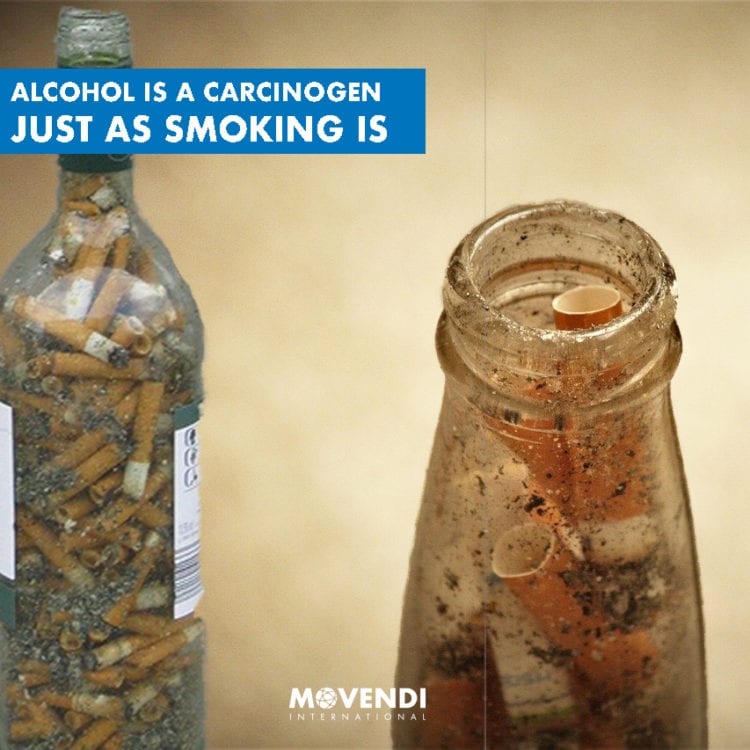
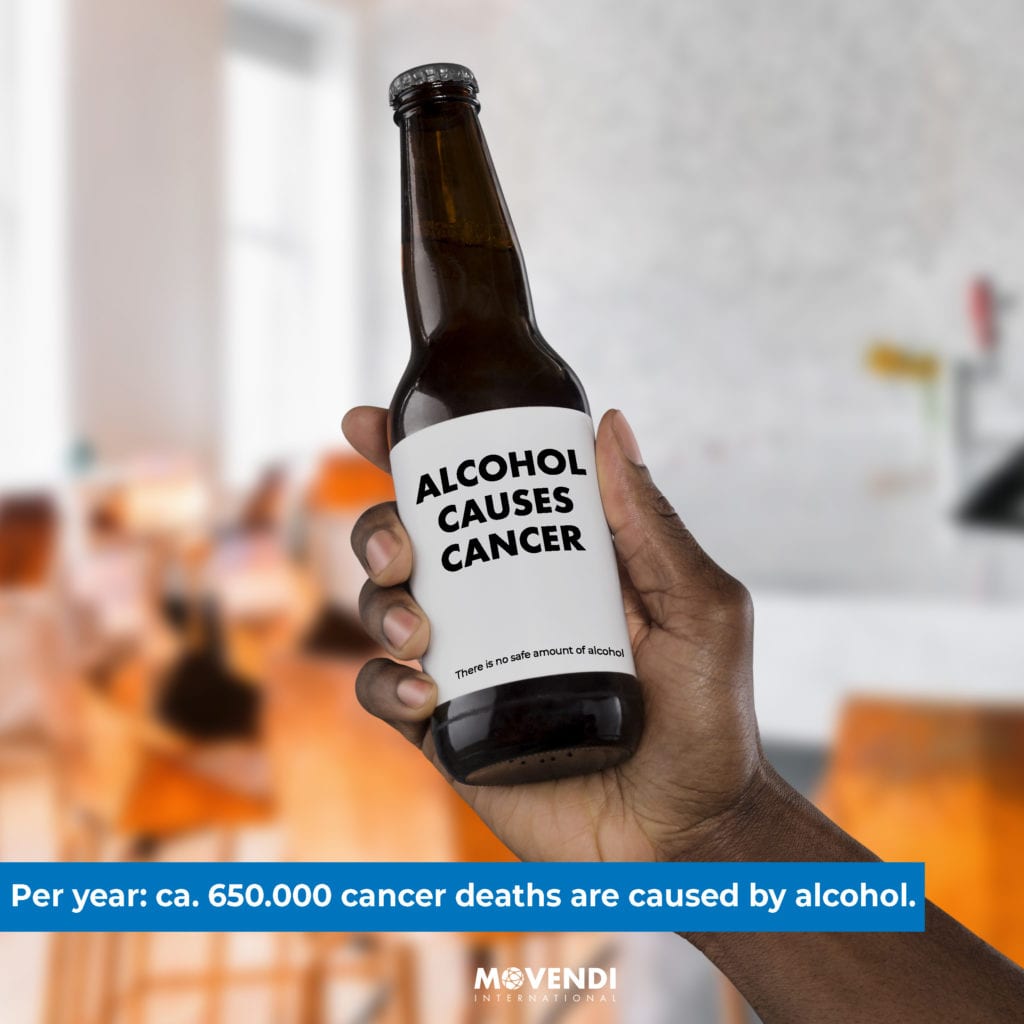
Alcohol-related cancer deaths are a global public health crisis.
For breast cancer globally, alcohol is the single biggest risk factor.
In total, alcohol-related cancer causes 650.00 deaths every year.

But awareness and understanding of the alcohol-cancer link remains shockingly low and a far cry from the levels of awareness of smoking and cancer.

This is not only a matter of public health concern but a social justice crisis.


It is time to change that and turn the tide on alcohol-fuelled cancer.Evidence shows that informing people, increasing awareness and understanding of alcohol's cancer risks leads to bigger support for alcohol prevention and control measures. This in turn leads to significant reductions in cancer mortality.
We calculated the cancer deaths averted from improved alcohol policy through a 10% and a 30% total per capita alcohol consumption reduction scenario. 
  • Assuming 649,840 alcohol-related cancer deaths in 2017, a 10% reduction of total alcohol use would lead to 9% fewer alcohol-related cancer deaths, meaning 57,300 fewer deaths.
  • With a 30% lower total alcohol consumption, calculations show that 26% of alcohol-related cancer deaths could be averted, meaning 171,460 fewer deaths. 
 let's start the movement to raise awareness among the broader public and empower decision-makers to tackle the alcohol-cancer link. The returns on investment will be substantial...

Tuesday, December 10, 2019

Sunday, December 8, 2019

Jyotsna Govil .... Our Views,Our Story


Jyostna Govil’s lifelong experience of caring for people living with NCDs has taken many forms. Following her father’s diagnosis with an inoperable stomach cancer 35 years ago, she helped to build the Indian Cancer Society in New Delhi and began dedicating her life to cancer screening, awareness, and patient support. In 2013, Jyotsna’s husband was diagnosed with Alzheimer’s Disease and she spent 6 years caring for him. Today, she works tirelessly with the Healthy India Alliance to help break down stigma and discrimination surrounding NCD treatment and care and to bring her intimate insights of dealing with co-morbidities to the field of NCDs. Universal Health Coverage packages must address the needs of people living with multiple chronic conditions in order to be comprehensive and people-centred. Nada India is founding Governing Board member of Healthy India Alliance 

Saturday, September 7, 2019

Patient Champion Spotlight: Jyotsna Roy

August 2, 2019

During the 2019 World Health Assembly (WHA) in Geneva, Global Health Council provided several patient champions with the opportunity to share their stories, and contribute to discussions around universal health coverage (UHC). Following the Assembly, we sat down with each patient champion to get their thoughts on WHA. Hear from our patient champion Jyotsna Roy who volunteers with the Nada India Foundation. Nada India has been creating the spaces & nurturing diverse networks of community-based initiatives amongst the marginal and most at-risk populations in the urban and rural. Through its capacity building work Nada India has enabled the vulnerable adolescents & youth to make choices for healthy ways of living. Nada India has also included in its programmes senior citizens and women from the “urban villages”. Gender equity is a strategic objective of Nada India in its vision for a Gender Equal and Just society. Additionally, Nada India works under the framework of the Convention of the Rights of Children, CRC, with children, adolescents and PLWNCDs through the Young India Network for Good Health.

Tell us a little about yourself?

I am an Indian woman and my name is Jyotsna Roy. I have been diagnosed with rheumatoid arthritis, which has impacted on my mobility, motor flexibility and sometimes the acuity of my brain. However, on a positive note it has made me sharply aware of the signals my health conditions give me. I am prepared for the long haul of this disease and the consequent morbidity. I am also aware that the medical insurance that I have does not cover this disease. In spite of having a condition which requires close daily monitoring and self –management, I travel and work on international assignments and also in post conflict situations.

I advocate for general “good health and wellbeing” among women who have rheumatoid diseases, specifically focusing on youth with mental health and substance dependence including alcoholism. Nada India, the organization I volunteer with, works with youth groups and also does work through community-based mobilization.

Describe one of your favourite events or one-on-one conversations during WHA, and why?  

The gala evening [Heroines of Health] organized by Women in Global Health in which professionals delivering health services at different levels from specialty hospitals to the primary health care centres were acknowledged, thanked and felicitated.

The session on “accountability” at all levels and through the different stakeholders who are the rights holders and duty bearers. The targeted and transparent delivery of resources and accounting for it is key for efficient and effective service delivery of health services.

In the one-on- one with the fellow Patient Champions we agreed that the political will to reach the last person who needs support for ensuring health is critical and essential. The second is the availability of resources, technical and financial, through the public and private sectors’ participation and contribution was also discussed.

We know this was your first time at WHA. Did anything surprise you?

At WHA for the first time – yes! The availability of snacks and beverages after each event really surprised me, as in other such events these things just vanish.

On a more serious note the partnership of the twelve organizations that are working on the different “accelerators” for the Global Action Plan for Health and Well-being impressed me. The research and development, and the demographic research for the incidence, prevalence and surveillance of diseases as essential accelerators are critical for the Sustainable Development Goal (SDG) 3 and its targets. The accelerator on civil society role and engagement and its discussion and actions will interest me.

What were some of the main recommendations or insights that you provided on panels or discussions?

Wow I spoke from experience…

One of the important highlights was that health is hugely gendered and embedded in the socio-cultural and economic micro –and macrocosms.
Ill health costs livelihoods. This affects the workforce and even causes underemployment among the professional or white-collar workforce.
Non-communicable diseases (NCDs) are mostly not recognised and are a long-term financial burden. There is cause for anxiety and stress related to suffering an NCD because of the longevity in a morbid state and the risk of other comorbidities (NCDs) occurring along the way. Medical insurance does not cover NCDs, the medication, or the disabilities that follow.
There is need for more research on specific NCDs, in addition to the big five diseases. Patient testimonies will be of immense use. Patient empowerment through emotional support, information on holistic health traditions and variety will lessen the morbidity and make them productive.
Women’s health is not only reproductive health. I suspect that the prevalence of NCDs is high among women.
How do you plan to continue or relay these global conversations back home?

The WHA has created a flurry of activities here too, Delhi/India, and we had a youth roundtable on Health, a workshop on SDGs with 200 college students (youth again) as well as a one-day workshop for community health counselors after I returned. And everyone would like a byte and a blog, post event! Phew!

In addition, Nada India has a calendar of events and I am invited to participate and facilitate and contribute. The Young India Network for Good Health is an active network which works at the community level and in the campuses. They are completing a baseline survey on ‘Prevalence of NCDs among alcohol and drug users in Delhi/NCR (National Capital Region)” to understand the need for provision of health education on non-communicable diseases and its risk factors at rehabilitation centres for substances and alcohol dependents.

The members of this group are media savvy and use mass media for messaging on health. This group of young people self-finances their activities of research, awareness raising, community mobilization and action. For them to move to the next level in terms of outreach and engagement with issues and advocacy they need financial and technical support. A very senior journalist blogged about the efforts. I am on call for them as a Resource Person.

What are your top three takeaways from the week?


  1. Patient Empowerment and Patient Advocacy
  2. Get savvy in the use of social media
  3. Partnerships at all levels and geographical spread, to move the SDG 3 agenda and its asks for technical cooperation, effective financial mobilization and Accountability.
Copy rights are with Global Health Council 
Source courtesy:   https://globalhealth.org/patient-champion-spotlight-jyotsna-roy/

When Children Don’t Ask for Help: Reflections from a Dainik Jagran article

  First Aid for the Emotional Heart : Suneel Vatsyayan Emotional CPR Trainer | National Executive Member, NAPSWI “Children often cannot ask...